11 Ideas to Grow your B2B SaaS in 2025
It's a new year, so every B2B SaaS founder and marketer is asking themselves the same question: How do I find new customers this year and achieve my ambitious growth goals?
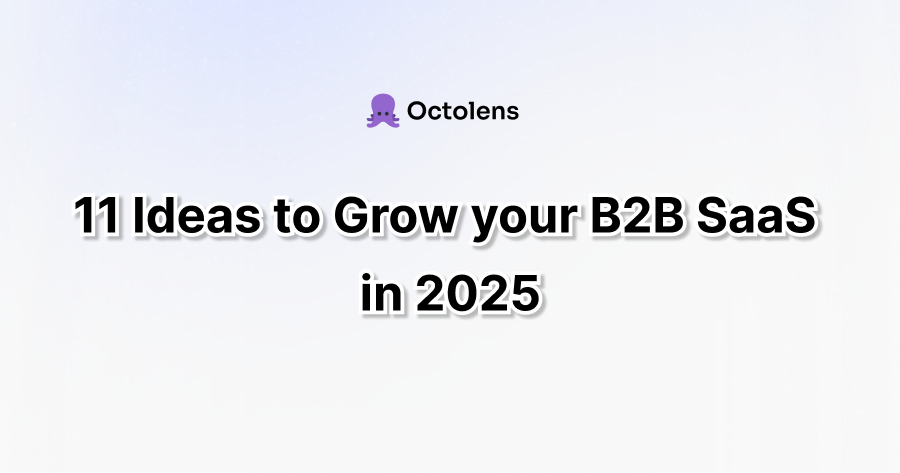
As CEO of Octolens, I'm in the same shoes. That's why, at the start of the year, I drew up a long list of growth ideas that I could try out this year. In this blog you will find my 11 favorites, some of which are definitely unusual and go beyond the classic SaaS playbook (if such a thing even exists anymore).
Generative AI is everywhere, and you will hear a lot of people saying that tools like ChatGPT or Perplexity are “the end of SEO”. But in every risk lies an opportunity. Generative Engine Optimization (GEO) is a relatively new discipline that focuses on making your content easily accessible to AI search engines. The companies that pick up on this trend first will have a head start, so it should definitely be on your list of things to try in 2025.
We’ve started to see some referral traffic from Perplexity and ChatGPT for Octolens. One customer already confirmed to us in an interview that they found us via Perplexity!
Things to consider for GEO:
Structure content around user intent and queries they’d likely ask ChatGPT or other.
Create content that is conversational and contextually rich to align with AI summaries and recommendations.
Highlight and mention your brand strategically in content so that it’s likely to be included in AI summaries.
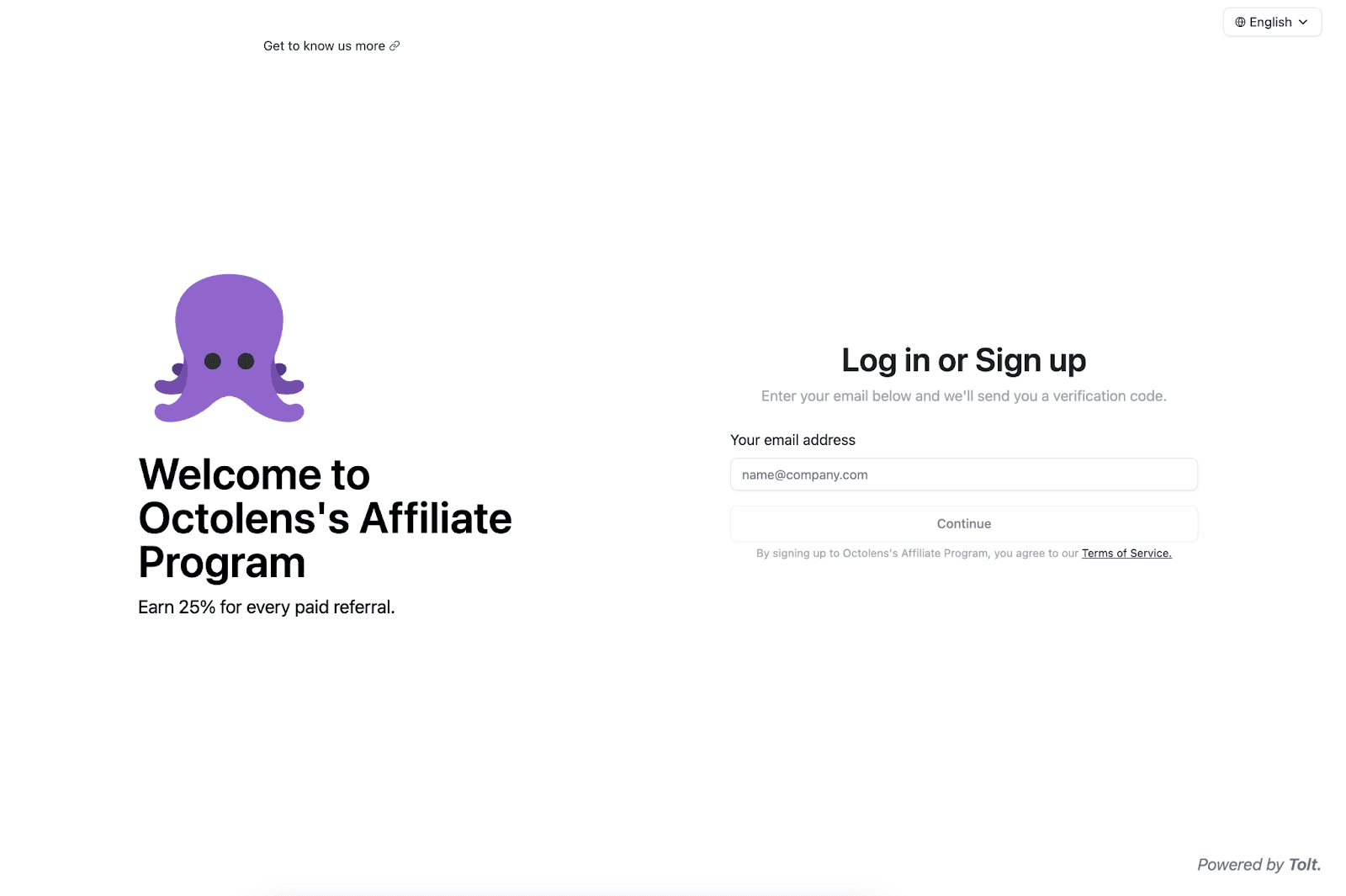
Your satisfied customers are your greatest advocates. Incentivize them to refer colleagues or partners by offering rewards like account credits, discounts, or exclusive access to new features. Make it easy for them to share and track referrals through a dedicated referral program portal.
At Octolens we offer a 25% commission for every paid referral. We use Tolt to power our referral program, and it's been a breeze to set up.
This can go hand in hand with your referral program. Create a long list of influencers on YouTube, X, or LinkedIn who have an engaged audience that matches your ideal customer profile (ICP). Reach out to them and offer them a ridiculously good offer (e.g. 50% referral). If they see an opportunity in your product, they might start creating content around it and start referring it to their audience. The best thing? You have very little risk with this model, and only need to pay influencers if you make money. Win-win.
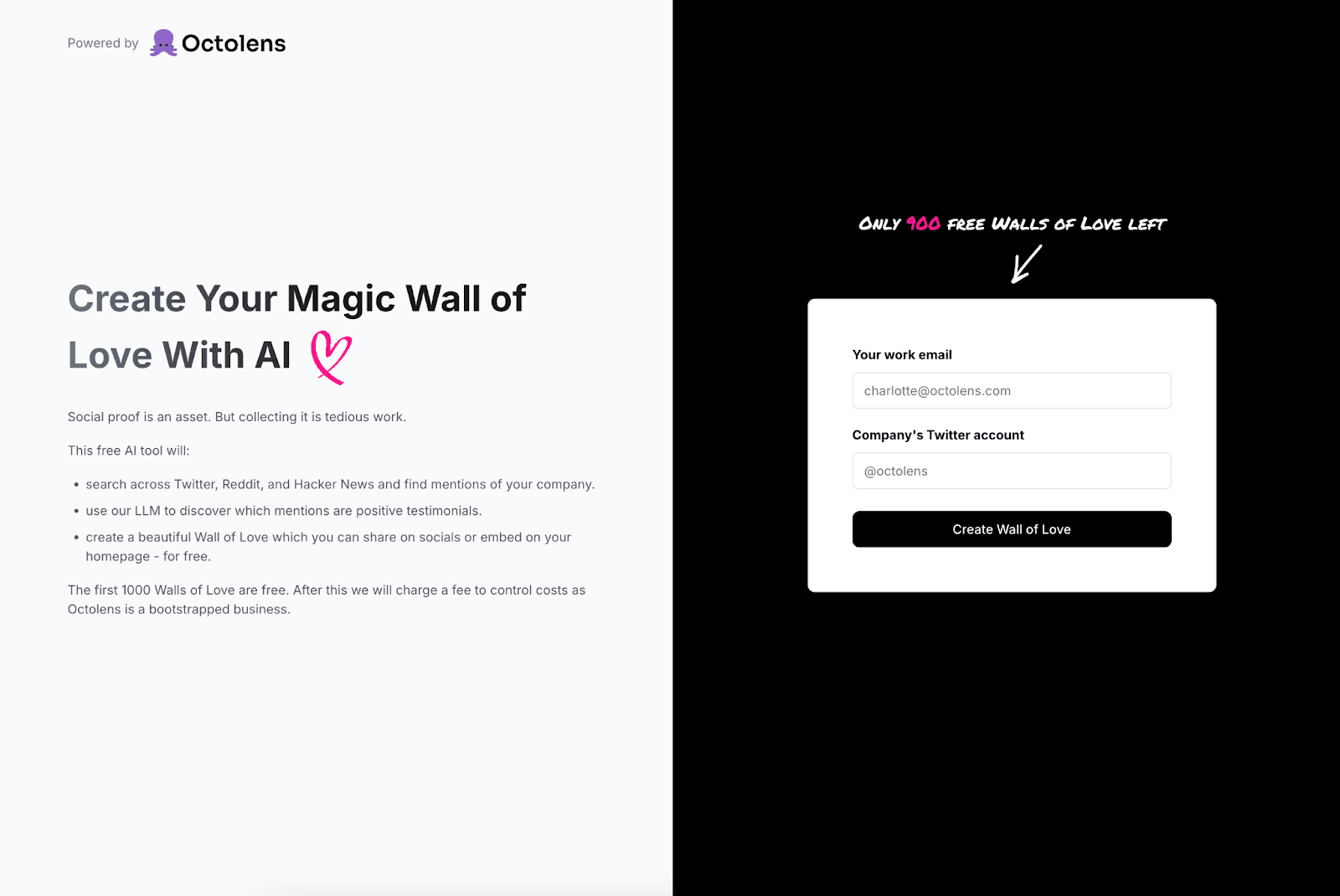
Free tools can act as a gateway to your core product. For instance, provide templates, calculators, or reports that solve common problems for your target audience. We used this strategy heavily in 2024 and launched a Free Wall of Love, a Social Share of Voice Calculator, a Social Mentions Explore Page, and a Social Search. Some of these free tools worked well, some didn’t. Before you jump into creating a free tool consider the effort and impact it might have. If its just very loosely related to your product and ideal customer profile (ICP), you might be wasting your time. You either need to see a very logical path for users to sign up to your main product after using your free tool (i.e. they feel the pain your main product solves). Or it needs to be well tailored to your precise ICP.
Looking for long-tail keywords in your space is usually a great way to find ideas for free tools, which brings me to the next idea…
As long as your website doesn’t have a domain authority of 70+, you usually won’t rank easily in the top results for search queries (except your brand name maybe). This means you have to find new ways to stand out in search by targeting long-tail keywords: very specific, low-competition search terms that align with your target audience. Check out this blog by the CMO of Ahrefs to learn how to find long-tail keywords.
We found some low-hanging fruit last year like "why Google Alerts doesn't work" which we created content around, and I will be looking to do the same this year. It will keep getting easier in combination with a growing domain authority.
Talking about being discoverable. Your potential B2B customers might rely on platforms like G2, Capterra, and Trustpilot to make decisions. These sites might be on the downhill trend, but currently if you are an early stage startup and lack initial trust - it might be worth it. Actively encourage your power users to leave reviews, respond to feedback promptly, and use these platforms to build trust and credibility. They usually also give you a strong backlink, so there is no reason for not creating a profile.
If you are like me and doing the bulk of customer support - make use of great support experiences. If you’ve resolved a customers issue quickly and they seem very happy with your help - that’s a great time to ask for a review on G2 or other.
I would put directories in the same category as review sites. These days there are 1000s of directories for every kind of software. Ensure your SaaS is listed in any directory relevant to your industry, and optimize your profiles with compelling descriptions, customer testimonials, and up-to-date screenshots (if possible). This will bring consistent traffic to your website, and increase its authority.
At Octolens, we sponsor the Open Source Alternative To directory which brings ten thousands of visitors to the websites of open source companies every month. If you are working on an open source product, make sure to be listed there.
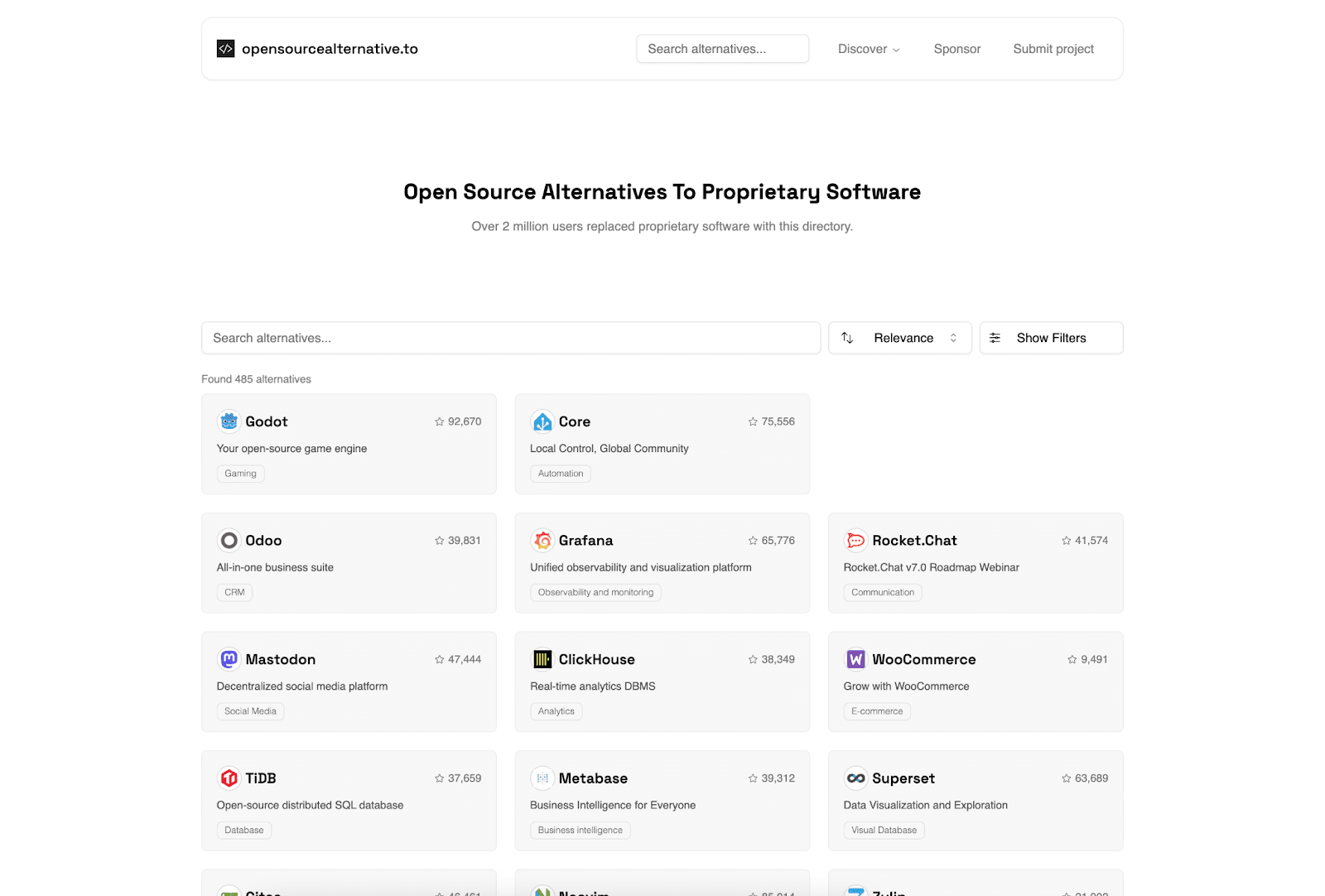
Open Source Alternative To and other directories like Betalist or TAAFT still bring us traffic months after listing Octolens.
Engage in niche communities on Reddit, industry-specific Slack groups, or online forums. Provide value by answering questions, sharing insights, and offering genuine advice—without overtly promoting your product. Becoming a respected voice in these spaces can drive awareness and leads more then you might imagine. This approach takes time but trust me: it pays off. We got a lot of our early users from Slack communities like this Developer Marketing Community.
Try to follow a “give first” approach. That means don’t spam forums with your product right after joining, establish yourself as a helpful and giving expert first. It's much easier and has a much higher conversion to ask for something in return later!
If your audience is active on any kind of social platform, you should make sure to stay on top of their conversations. Use a tool like Octolens to monitor X, LinkedIn, Reddit, and co for keyword mentions. Respond to questions or comments where your SaaS provides a solution. This proactive engagement will lead to new customers for your B2B SaaS.
I use our own product a lot and about 20% of all new customers come through posts that we found through our own tool - not even counting the referrals that these customers often do later on, as they are usually active voices in their communities.
On a side note, I think every founder, and ideally employee, should be using their own product! While this may not sound like a "growth tactic" - there's nothing better than using your own product religiously to be able to communicate its value in your content, think of fitting side tools, and in general understand your customer.
If you’re targeting developers as users, you have to try this out: Show your commitment to the industry by contributing to, sponsoring, or even launching open-source projects relevant to your audience. This builds credibility, demonstrates expertise, and can attract a highly technical and engaged user base.
The communities around open source projects are notoriously supportive. If you win them over you’ll likely have great network effects later on from them sharing your tool.
Podcasts remain a powerful and ever-growing content format. Start a podcast where you interview experts from your industry who ideally already have an audience. Their reach will become your reach and you will have a consistent flow of content to post on LinkedIn, X, and co. An interview podcast is also a smart way to meet new people and expand your network. Who knows: maybe your next enterprise deal will come from a podcast interview.
Another benefit of long-form podcast content: you can chop it up and make a ton of other content from it. One podcast every couple of weeks or so can help fill your social content calendar or inspire you for written content for the month.
I hope this blog has given you some food for thought. I'm going to try out some of these strategies myself in 2025. I’m sharing my B2B SaaS founder journey very openly on LinkedIn, so please make sure to
add me on LinkedIn and let me know if you've used any of these ideas yourself.